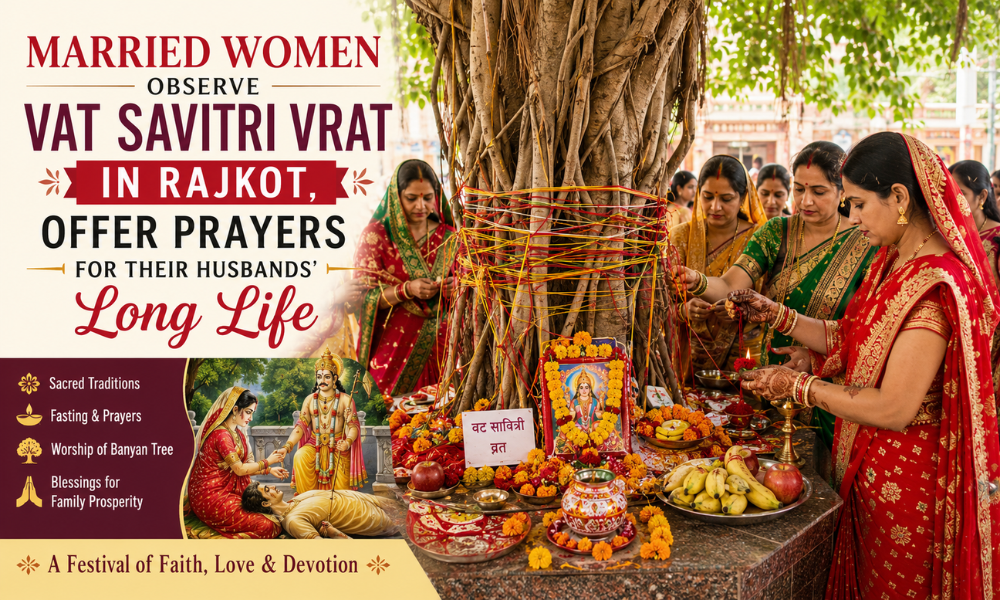
Every year, the sacred festival of Vat Savitri Vrat is observed with deep devotion by married Hindu women across India. In Rajkot, Gujarat, this auspicious occasion is celebrated with great faith and traditional fervor as women gather at temples and beneath banyan trees to pray for the long life, good health, and prosperity of their husbands. The festival reflects the timeless values of love, commitment, family harmony, and unwavering devotion that have been cherished in Indian culture for generations.
The sight of women dressed in colorful traditional attire, carrying puja thalis, and performing rituals around the sacred banyan tree creates a spiritually uplifting atmosphere throughout the city. From early morning, temples witness a steady flow of devotees who participate in prayers, listen to the sacred story of Savitri and Satyavan, and seek divine blessings for their families.
The Significance of Vat Savitri Vrat
Vat Savitri Vrat is one of the most revered festivals for married women in Hindu tradition. The word “Vat” refers to the banyan tree, while “Savitri” symbolizes the legendary woman whose devotion and determination became an eternal example of marital fidelity.
According to Hindu beliefs, observing this vrat with sincerity brings blessings for a husband’s long life, good health, happiness, and success. Women also pray for the prosperity of their family and the well-being of future generations.
The banyan tree is considered sacred because it symbolizes longevity, strength, stability, and eternal life. Its ever-growing roots and expansive branches represent the continuity of life and enduring family values.
The Legend of Savitri and Satyavan
The significance of Vat Savitri Vrat is rooted in the ancient story of Savitri and Satyavan, one of the most inspiring tales found in Hindu scriptures.
Princess Savitri chose Satyavan as her husband despite learning that he was destined to die within a year. Her unwavering faith, courage, intelligence, and devotion enabled her to confront Yama, the God of Death. Through her wisdom and determination, she persuaded Yama to restore Satyavan’s life.
This inspiring story symbolizes the power of faith, righteousness, and unconditional love. Even today, married women observe the vrat to honor Savitri’s devotion and seek similar blessings for their husbands.
Rajkot Celebrates with Traditional Devotion
Across Rajkot, women begin preparations for the vrat several days in advance. Markets become vibrant with the sale of traditional puja items, bangles, sarees, flowers, vermilion, sacred threads, fruits, sweets, and decorative offerings.
On the day of the festival, married women wear elegant traditional sarees, apply mehndi, adorn themselves with jewelry, and perform solah shringar, symbolizing the sacred bond of marriage.
Many temples in Rajkot organize special prayers and religious discourses where devotees gather to offer prayers and participate in community worship.
Worship of the Sacred Banyan Tree
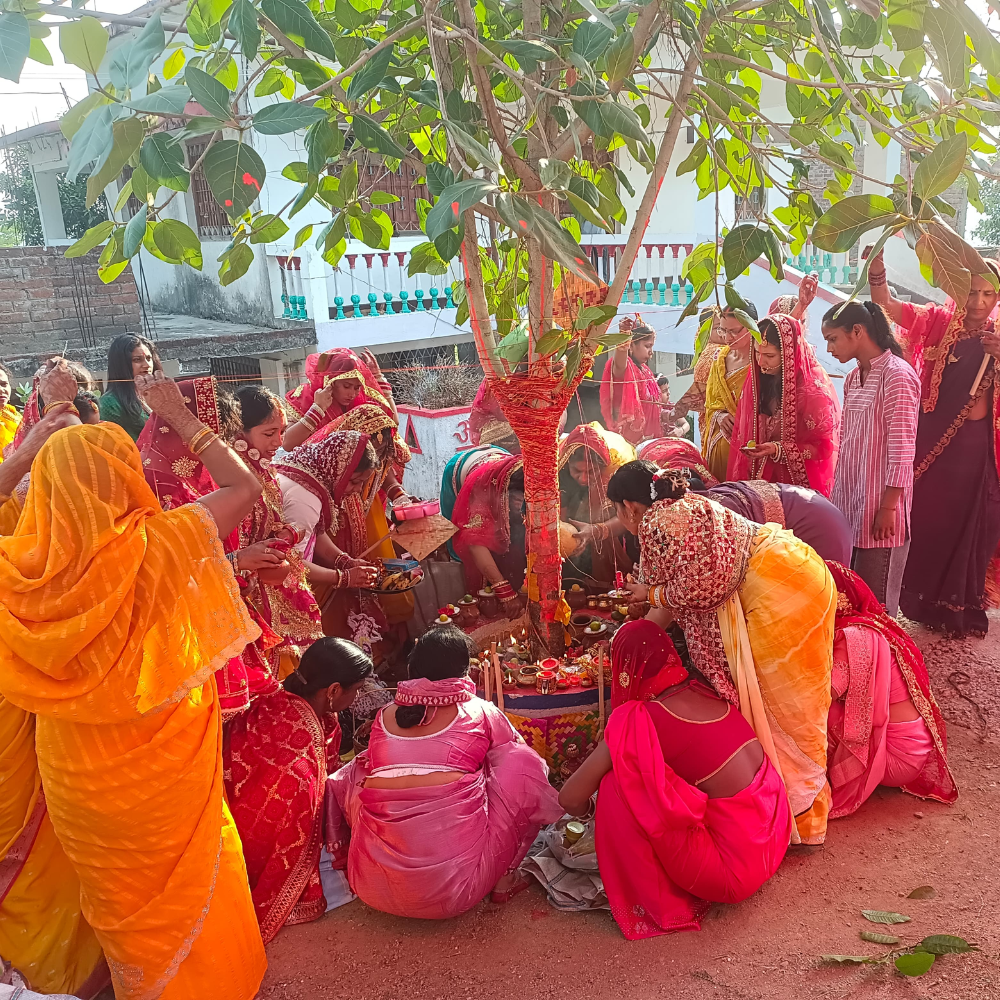
One of the most important rituals of Vat Savitri Vrat is the worship of the banyan tree.
Women gather around the tree carrying decorated puja thalis containing:
- Flowers
- Fruits
- Incense sticks
- Sacred thread
- Vermilion
- Turmeric
- Rice
- Coconut
- Earthen lamps
After offering prayers, they tie sacred threads around the trunk while circumambulating the tree several times. During this ritual, women pray for the happiness, longevity, and prosperity of their husbands and families.
The peaceful chanting of prayers and devotional hymns creates a serene and spiritual atmosphere.
Observing the Sacred Fast
Many women observe a day-long fast as part of the vrat. Depending on family traditions, some observe a complete fast without food, while others consume fruits and water after completing the rituals.
Fasting is considered an act of discipline, devotion, and spiritual purification. Women dedicate the day to prayer, meditation, and remembrance of Savitri’s unwavering faith.
The vrat concludes after performing the prescribed rituals and listening to the sacred Vat Savitri Katha.
Temples Witness Large Gatherings
Several temples across Rajkot witness large numbers of devotees during Vat Savitri Vrat. Priests conduct special pujas, chant Vedic mantras, and narrate the story of Savitri and Satyavan to the assembled devotees.
The temple premises resonate with devotional songs, ringing bells, and the fragrance of incense, creating an atmosphere of peace and positivity.
Families often participate together, allowing younger generations to learn about the cultural and spiritual significance of the festival.
Preserving Cultural Traditions
Vat Savitri Vrat is more than a religious observance; it is a celebration of India’s rich cultural heritage. The festival teaches values such as commitment, sacrifice, patience, and mutual respect within marriage.
In today’s fast-changing world, traditional festivals like this help preserve family values while strengthening emotional bonds between generations.
Mothers often involve their daughters in the rituals, passing down customs that have been practiced for centuries.
Community Spirit and Togetherness
The festival also promotes a strong sense of community. Women from different neighborhoods gather together for collective prayers, share devotional songs, and exchange blessings.
Friends and relatives visit one another, distribute sweets, and celebrate the occasion with warmth and affection. Such gatherings strengthen social relationships while fostering unity and mutual support.
The collective worship creates a feeling of belonging that extends beyond individual families.
Spiritual Benefits of the Vrat
Devotees believe that sincere observance of Vat Savitri Vrat brings numerous spiritual and emotional benefits.
These include:
- Blessings for a husband’s long life
- Good health and family prosperity
- Peace and happiness in married life
- Strength to overcome life’s challenges
- Spiritual growth through prayer and fasting
- Greater appreciation for family relationships
The festival also encourages gratitude, self-discipline, and devotion, helping participants find inner peace and emotional balance.
The Importance of Family Values
One of the enduring messages of Vat Savitri Vrat is the importance of mutual trust, respect, and commitment within marriage. While the traditional rituals are performed by married women, the festival also reminds families of the need to support one another through life’s joys and challenges.
Modern celebrations increasingly emphasize shared responsibility, understanding, and care between spouses, reflecting how timeless traditions can continue to inspire healthy family relationships.
Rajkot’s Devotional Spirit
Rajkot has long been known for celebrating religious festivals with enthusiasm and unity. Whether it is Janmashtami, Navratri, Mahashivratri, or Vat Savitri Vrat, the city embraces every occasion with devotion and cultural pride.
The active participation of women, families, temples, and local communities reflects Rajkot’s deep spiritual roots and commitment to preserving traditional customs.
Every year, the festival strengthens the connection between faith and daily life, reminding people of the enduring values that define Indian culture.
Conclusion
The observance of Vat Savitri Vrat in Rajkot beautifully reflects the city’s devotion, cultural richness, and respect for timeless traditions. Married women come together in prayer, fasting, and worship to seek blessings for the long life, good health, and prosperity of their husbands while celebrating the inspiring legacy of Savitri’s unwavering faith.
Beyond its religious significance, the festival serves as a reminder of the importance of love, dedication, compassion, and family unity. As sacred rituals are performed beneath the banyan tree and prayers fill the air, Vat Savitri Vrat continues to strengthen the bonds of marriage, preserve India’s cultural heritage, and inspire future generations to uphold the values of faith and togetherness.