
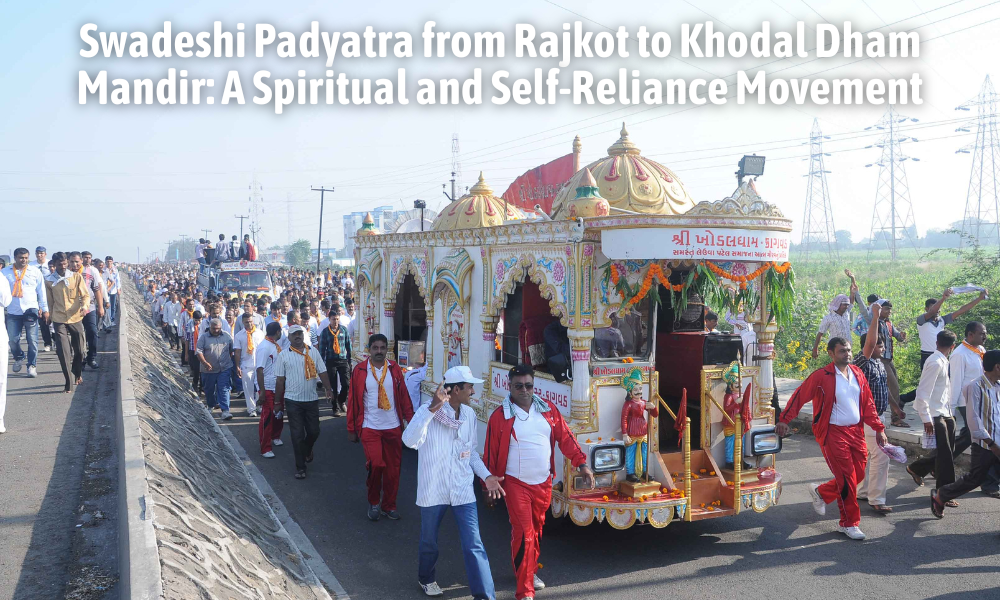
Rajkot is set to witness a unique blend of spirituality, social awareness, and the spirit of self-reliance with the organization of a Swadeshi Padyatra from Rajkot to Khodal Dham Mandir. This meaningful foot march is being organized with the objective of promoting Swadeshi values, self-dependence, cultural unity, and national consciousness among citizens. Rooted in traditional Indian philosophy and inspired by the ideals of simplicity and self-sufficiency, the padyatra is expected to attract widespread participation from saints, social workers, devotees, and citizens from across the Saurashtra region.
Purpose Behind the Swadeshi Padyatra
The core aim of this padyatra is to spread awareness about Swadeshi ideology—the use and promotion of indigenous products, services, and skills. At a time when globalization has deeply influenced daily life, the organizers believe that reconnecting with Swadeshi principles is essential for strengthening India’s economic and cultural foundation. By walking from Rajkot to Khodal Dham Mandir, participants symbolically emphasize discipline, devotion, and dedication toward the nation’s self-reliant future.
The padyatra also carries a spiritual message, reminding people that economic independence and spiritual growth must go hand in hand. Khodal Dham Mandir, a major religious and cultural center, has been chosen as the destination to reinforce faith, unity, and devotion while spreading a socially relevant message.
Organization and Route of the Padyatra
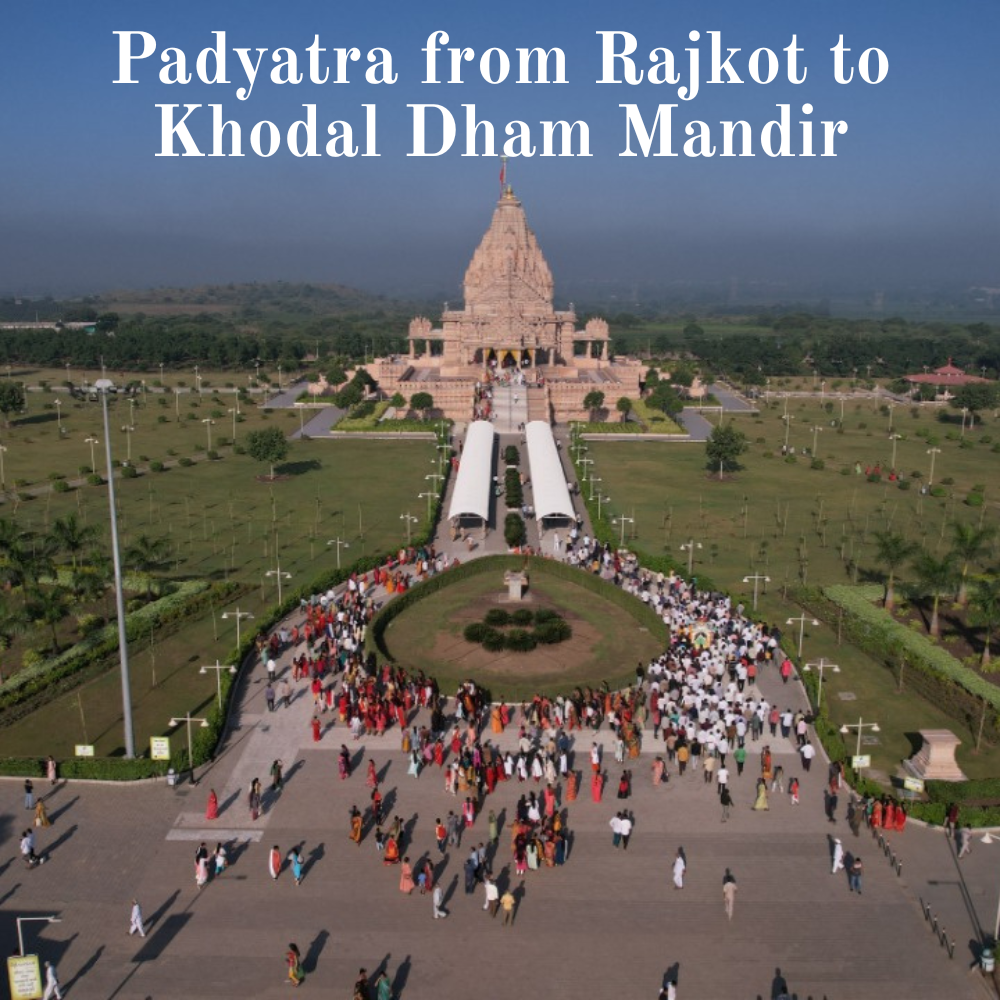
The Swadeshi Padyatra will begin from Rajkot, passing through important routes and villages before reaching Khodal Dham Mandir. The journey is planned carefully to ensure safety, discipline, and smooth coordination. The padyatra is being organized under the guidance of social and religious organizations dedicated to the promotion of Swadeshi thought and national values.
Throughout the journey, participants will engage in prayer sessions, devotional singing, and discussions focused on Swadeshi living, self-reliance, and ethical consumption. Volunteers will assist in managing logistics, medical support, and refreshments, ensuring that the padyatra remains peaceful and well-organized.
Participation of Saints and Social Leaders
One of the most significant aspects of the Swadeshi Padyatra is the participation of saints, mahants, and respected social leaders. Their presence adds spiritual strength and moral guidance to the event. Saints from various ashrams, including prominent spiritual centers around Rajkot, are expected to join the padyatra and bless the participants.
Social thinkers and activists will also address gatherings during the journey, highlighting the importance of supporting local artisans, farmers, and small-scale industries. These interactions are expected to inspire people to adopt Swadeshi products in their daily lives and contribute to local economic growth.
Message of Self-Reliance and National Unity
The padyatra strongly aligns with the vision of Aatmanirbhar Bharat (Self-Reliant India). By encouraging citizens to use locally produced goods and reduce dependence on imported products, the movement aims to empower Indian manufacturers, craftsmen, and entrepreneurs. The organizers believe that economic self-reliance is a powerful tool for national development and social stability.
At the same time, the padyatra promotes unity beyond caste, class, and community. Participants from diverse backgrounds walk together with a shared purpose, reinforcing the idea that national progress is possible only when society moves forward collectively.
Cultural and Social Impact
Such padyatras have historically played an important role in India’s social movements. Walking together creates a strong emotional and cultural bond among participants. The Swadeshi Padyatra from Rajkot to Khodal Dham Mandir revives this tradition by combining devotion with social responsibility.
Villages and towns along the route are expected to welcome the padyatra with enthusiasm. Local residents may participate temporarily, offer refreshments, and attend small gatherings where the message of Swadeshi and self-reliance is shared. This grassroots interaction ensures that the movement reaches people at the community level, making its impact more meaningful and long-lasting.
Khodal Dham Mandir: A Symbolic Destination
Khodal Dham Mandir holds immense religious and cultural significance, especially among devotees in Gujarat. Reaching the temple marks the spiritual culmination of the padyatra. Upon arrival, special prayers and rituals will be performed, seeking blessings for national prosperity, social harmony, and economic self-sufficiency.
The temple’s role as a center of faith makes it an ideal destination for such a movement. It symbolizes strength, unity, and devotion—values that resonate deeply with the philosophy of Swadeshi.
Youth Involvement and Awareness
A special emphasis is being placed on involving youth and students in the padyatra. The organizers believe that young people play a crucial role in shaping the future of the nation. By participating in such movements, youth can develop a deeper understanding of India’s cultural roots and economic responsibilities.
Through speeches, interactions, and shared experiences during the padyatra, young participants will gain insights into how individual choices—such as buying local products—can collectively strengthen the nation’s economy.
Conclusion
The Swadeshi Padyatra from Rajkot to Khodal Dham Mandir is more than just a religious journey; it is a powerful social movement that combines spirituality, patriotism, and economic awareness. By promoting Swadeshi values through peaceful participation and collective discipline, the padyatra aims to inspire citizens to contribute actively toward a self-reliant and united India.
As participants walk step by step toward Khodal Dham Mandir, they carry with them a message of devotion, responsibility, and national pride. Such initiatives remind society that true progress lies not only in modern development but also in staying connected to indigenous values, cultural heritage, and the collective welfare of the nation.
Top of Form