
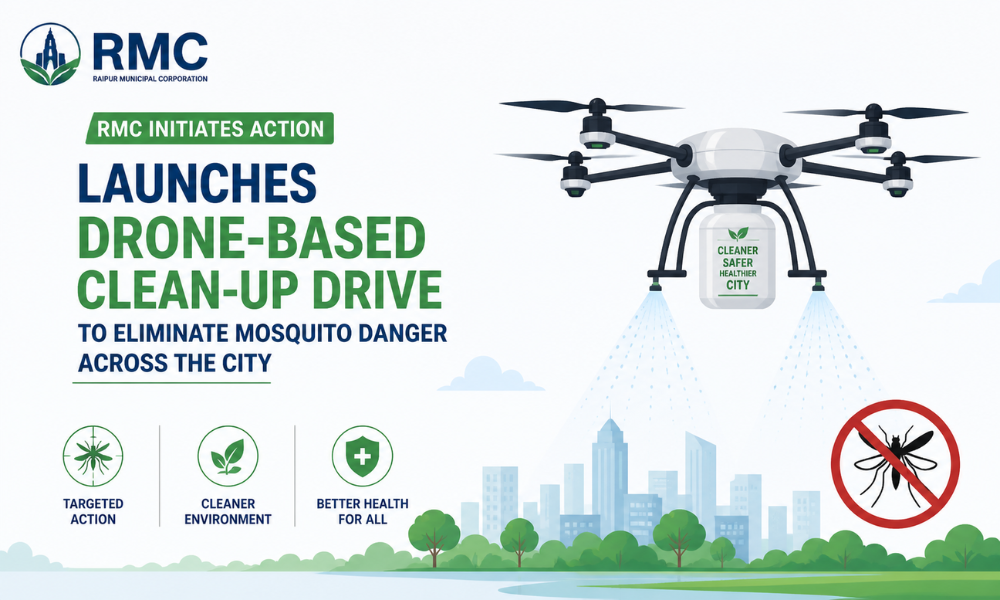
The Rajkot Municipal Corporation (RMC) has taken a major step toward improving public health by launching a drone-based clean-up drive aimed at eliminating the growing mosquito threat across the city. With increasing complaints from residents about mosquito infestations and rising concerns over diseases like dengue and malaria, the civic body has decided to adopt advanced technology to tackle the issue effectively.
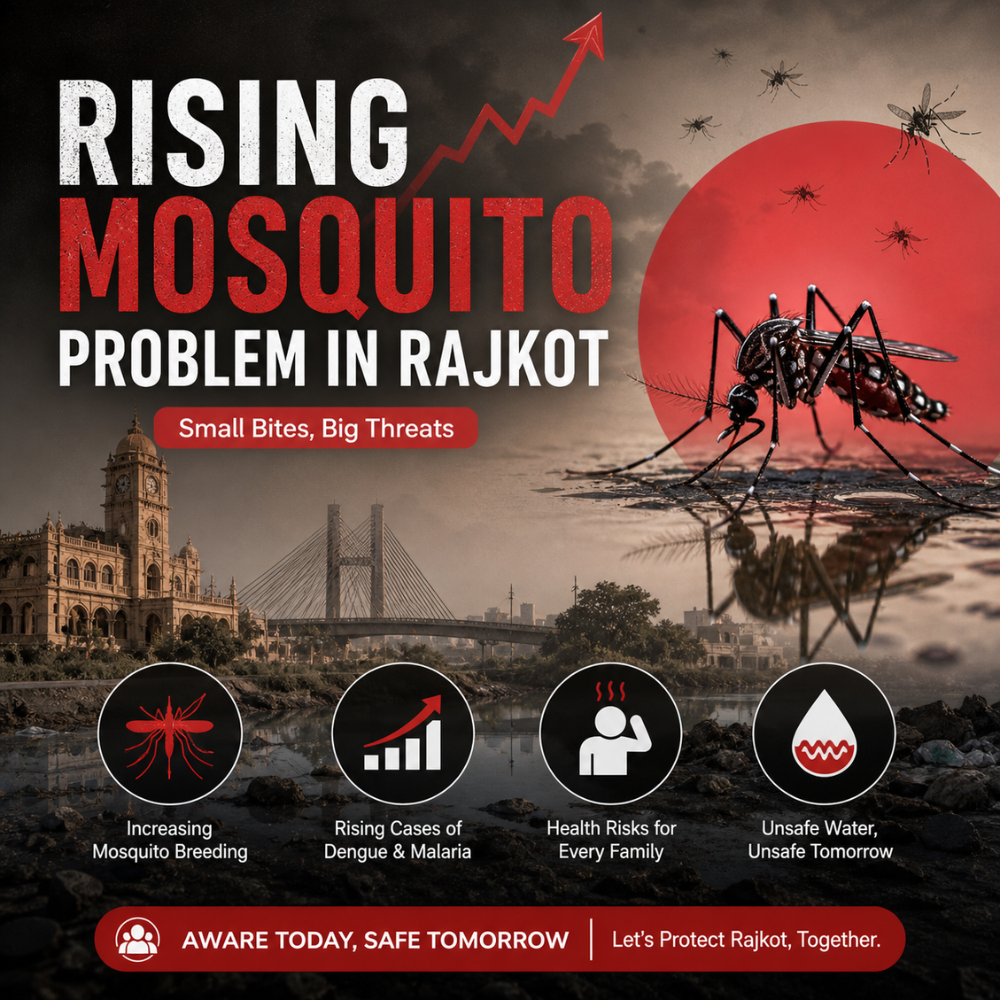
Rising Mosquito Problem in Rajkot
Over the past few months, several areas in Rajkot have reported a noticeable increase in mosquito breeding. Waterlogging, construction activities, clogged drainage systems, and unmanaged waste have created ideal conditions for mosquitoes to thrive. Citizens have expressed frustration over the situation, especially during early mornings and evenings when mosquito activity is at its peak.
Traditional methods like fogging and manual inspections have been in place, but they often fall short in identifying hidden breeding spots such as rooftops, abandoned plots, and inaccessible areas. Recognizing these limitations, RMC has decided to implement a smarter, faster, and more efficient solution.
Why Drone-Based Technology?
The introduction of drones marks a significant shift in how urban health challenges are addressed. Drones can cover large areas within a short time and access places that are difficult for ground teams to reach. Equipped with cameras and sensors, these drones can identify stagnant water bodies and mosquito breeding hotspots with high precision.
Some key advantages of this approach include:
- Quick Area Coverage: Drones can survey large parts of the city in minimal time.
- Access to Difficult Locations: Rooftops, narrow lanes, and restricted zones can be easily monitored.
- Accurate Data Collection: Real-time visuals help authorities take targeted action.
- Cost-Effective in the Long Run: Reduces the need for repeated manual inspections.
This technology-driven initiative is expected to improve efficiency and deliver faster results compared to conventional methods.
How the Clean-up Drive Will Work
The drone-based clean-up drive will be carried out in multiple phases to ensure maximum coverage and effectiveness.
- Survey Phase:
Drones will be deployed to scan different zones of the city. They will capture high-resolution images and videos to identify mosquito breeding sites, particularly areas with stagnant water. - Data Analysis:
The collected data will be analysed by experts to map high-risk zones. This will help RMC prioritize areas that need immediate attention. - Action Phase:
Based on the findings, ground teams will be sent to eliminate breeding sources. This may include draining stagnant water, applying parricides, cleaning drains, and removing waste. - Monitoring and Follow-up:
Drones will continue to monitor previously identified hotspots to ensure that the problem does not reoccur.
Focus on High-Risk Areas
RMC has identified several high-risk zones where mosquito breeding is more likely to occur. These include:
- Construction sites with stagnant water
- Open plots and unused land
- Areas with poor drainage systems
- Industrial zones and storage yards
- Residential areas with water storage issues
By focusing on these hotspots, the municipal corporation aims to significantly reduce mosquito populations in a short period.
Public Health Impact
The primary goal of this initiative is to safeguard citizens from mosquito-borne diseases. Cases of dengue, malaria, and chikungunya tend to rise during certain seasons, putting pressure on healthcare systems.
By eliminating breeding grounds early, RMC hopes to:
- Reduce the number of disease cases
- Improve overall public hygiene
- Enhance the quality of life for residents
- Build awareness about preventive measures
Health experts have welcomed this move, stating that prevention is always better than cure, especially when it comes to vector-borne diseases.
Role of Citizens
While technology plays a crucial role, the success of this initiative also depends on public participation. RMC has urged citizens to take simple steps to prevent mosquito breeding in their surroundings.
Residents are advised to:
- Avoid storing water in open containers
- Regularly clean water tanks and coolers
- Dispose of waste properly
- Report stagnant water or unhygienic conditions to authorities
- Cooperate with municipal teams during inspections
Community involvement can significantly enhance the effectiveness of the drive.
A Step Toward Smart City Solutions
The drone-based clean-up drive reflects Rajkot’s commitment to adopting smart city solutions for urban challenges. By integrating technology into municipal operations, RMC is setting an example for other cities facing similar issues.
This initiative not only addresses the immediate mosquito problem but also establishes a framework for using drones in other civic activities such as waste management, traffic monitoring, and disaster response.
Challenges and Expectations
While the initiative is promising, it may face certain challenges during implementation. Weather conditions, technical limitations, and coordination between drone teams and ground staff could affect operations. However, with proper planning and execution, these challenges can be managed effectively.
Residents are hopeful that this high-tech approach will bring visible results and provide long-term relief from the mosquito menace.
Conclusion
The launch of the drone-based clean-up drive by RMC is a timely and innovative step toward tackling one of the city’s most pressing public health concerns. By combining technology with on-ground action and citizen participation, Rajkot is moving toward a cleaner, healthier, and safer environment.
If implemented successfully, this initiative could become a model for other cities across India, proving that modern problems require modern solutions. The coming weeks will be crucial in determining the impact of this drive, but the intent and direction clearly signal a positive change for the people of Rajkot.