
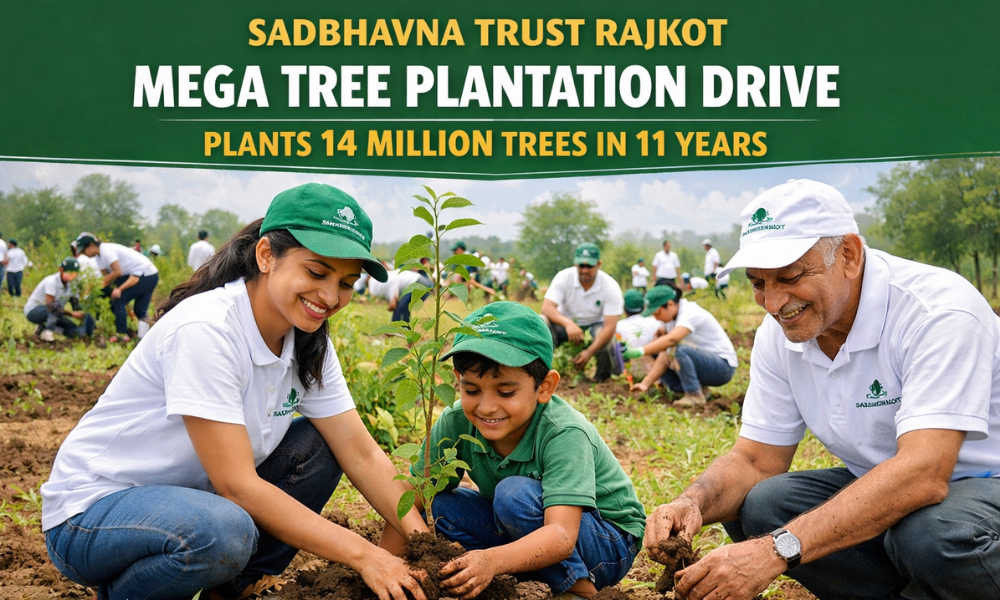
In an era where environmental challenges are becoming increasingly serious, initiatives that focus on sustainability and ecological balance are more important than ever. One such inspiring example comes from Rajkot, Gujarat, where Sadbhavna Trust has successfully led a massive tree plantation drive, planting an impressive 14 million trees over the past 11 years. This remarkable achievement highlights the power of community-driven environmental efforts and sets a benchmark for similar initiatives across India.
A Vision for a Greener Future
The Sadbhavna Trust Rajkot began its journey with a clear vision—to contribute towards environmental conservation and create a greener, healthier future. What started as a small initiative has now transformed into a large-scale movement covering multiple districts. The trust’s commitment to sustainability is not just limited to planting trees but also ensuring their survival and growth through proper care and monitoring.
Over the years, the organization has expanded its operations significantly. Today, the plantation drive is actively running across 30 districts, making it one of the largest environmental campaigns in the region. The trust has also adopted modern techniques such as digital monitoring systems to track the growth and health of the planted trees.
Impressive Milestone: 14 Million Trees
Planting 14 million trees in 11 years is no small feat. This milestone reflects consistent efforts, proper planning, and strong community participation. The campaign has contributed significantly to increasing green cover, improving air quality, and supporting biodiversity in Gujarat.
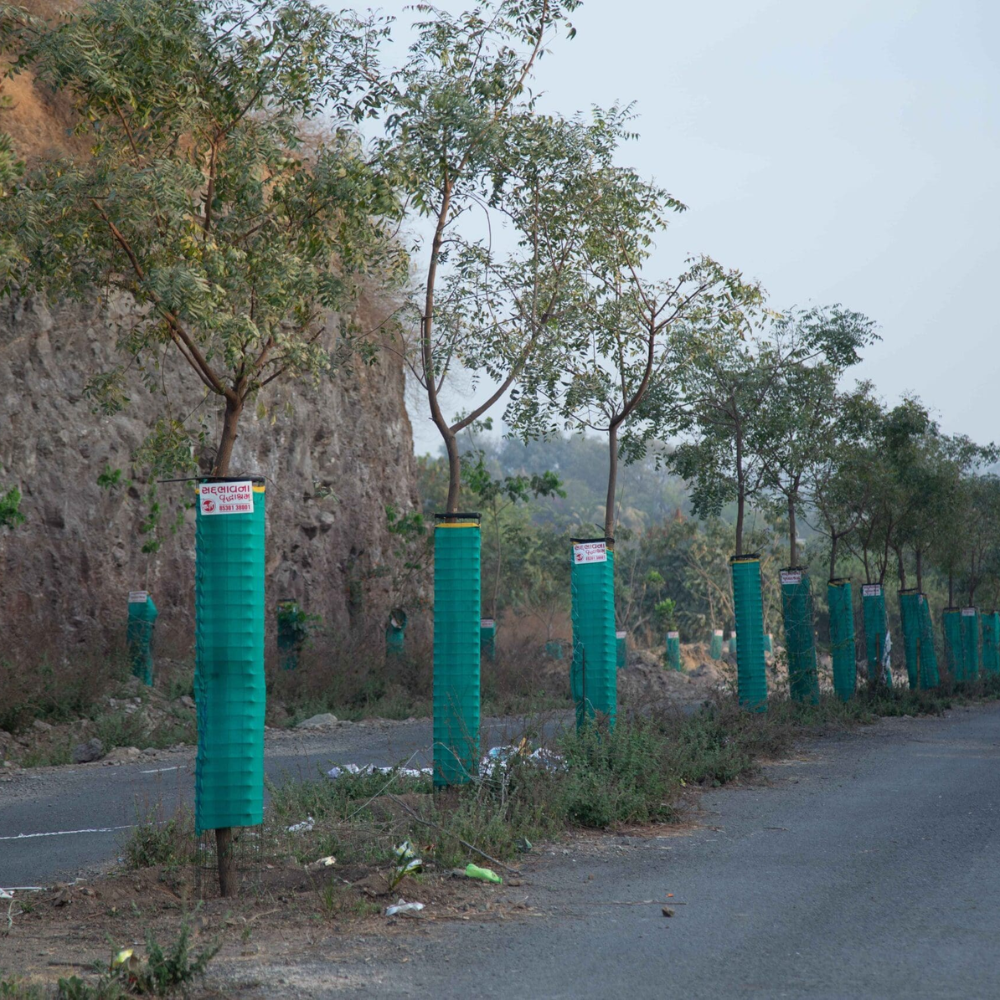
The trust’s approach focuses on planting trees in areas where they can have the maximum environmental impact. This includes roadside plantations, open lands, and regions that are prone to environmental degradation. By targeting such areas, the initiative ensures that the benefits of plantation reach both urban and rural communities.
Ambitious Targets for the Future
While the achievement of planting 14 million trees is commendable, Sadbhavna Trust is not stopping here. The organization has set an ambitious target of planting 20 million trees in a single year across Gujarat. This goal reflects their determination to scale up efforts and accelerate environmental conservation.
In addition to yearly targets, the trust has also outlined long-term goals. By 2030, they aim to plant a total of 150 million trees, contributing significantly to India’s green mission. These targets demonstrate a forward-thinking approach and a strong commitment to sustainability.
Large Workforce Driving the Mission
Behind this massive success is a dedicated team of over 3,500 workers who are actively involved in the plantation drive. From planting saplings to ensuring their maintenance, these workers play a crucial role in the success of the initiative.
The campaign is highly organized, with structured processes in place. Regular watering schedules, monthly monitoring, and timely replacement of damaged plants ensure a high survival rate. Such systematic efforts make the initiative more effective and sustainable in the long run.
Innovative Plantation Techniques
One of the key highlights of the Sadbhavna Trust’s initiative is the use of innovative plantation methods. The organization has embraced the Miyawaki technique, a method known for creating dense forests in a short period. Plans are underway to develop more than 100 Miyawaki forests across Gujarat, which will significantly enhance green cover in urban areas.
These forests not only grow faster but also support a wide range of plant and animal species, contributing to biodiversity. By integrating modern techniques with traditional knowledge, the trust is setting new standards in environmental conservation.
Community Participation and Support
The success of the tree plantation drive is largely due to active community involvement. Thousands of donors have come forward to support the initiative, making it a people-driven movement. The trust provides an opportunity for individuals and organizations to contribute by sponsoring tree plantations.
Interestingly, donors are not just funding the plantation but are also involved in the long-term growth of the trees. The trust ensures that the trees are nurtured for up to four years, providing proper care until they are fully developed. This approach builds trust and encourages more people to participate in the mission.
Environmental and Social Impact
The impact of planting 14 million trees goes beyond numbers. The initiative has contributed to improving air quality, reducing carbon footprint, and combating climate change. It has also helped in preventing soil erosion and conserving water resources.
Moreover, the campaign has created employment opportunities for thousands of people, contributing to the local economy. The involvement of communities has also increased awareness about environmental issues, encouraging more people to adopt sustainable practices in their daily lives.
A Model for the Nation
Sadbhavna Trust Rajkot’s mega tree plantation drive serves as a model for other organizations and regions. It proves that with the right vision, planning, and community support, large-scale environmental initiatives can achieve remarkable success.
The use of technology, innovative methods, and a structured approach makes this initiative unique. It also highlights the importance of collaboration between organizations, communities, and individuals in achieving environmental goals.
Conclusion
The journey of Sadbhavna Trust Rajkot is a powerful example of how dedication and collective effort can bring about meaningful change. Planting 14 million trees in 11 years is not just an achievement—it is a step towards a sustainable future.
As the trust continues to expand its efforts and work towards even bigger goals, it inspires hope and motivates others to take action. In a world facing environmental challenges, such initiatives remind us that every tree planted today is an investment in a better tomorrow.