
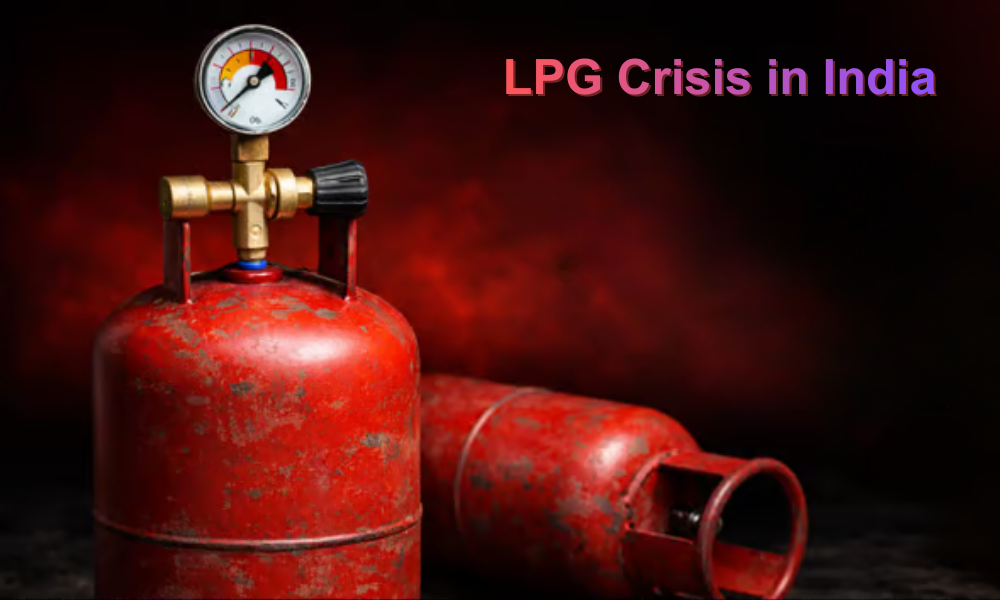
Liquefied Petroleum Gas (LPG) is one of the most important cooking fuels used across India. Millions of households depend on LPG cylinders for daily cooking, while restaurants, hotels, catering businesses, and street food vendors rely on commercial LPG to operate their kitchens. Recently, discussions about LPG supply disruptions have gained attention in several cities, particularly affecting commercial gas users.
Reports from industry groups and restaurant associations suggest that commercial LPG cylinders are becoming harder to obtain in some regions. The situation has raised concerns among businesses that rely heavily on cooking gas for daily operations. At the same time, oil companies have clarified that household LPG supply continues to remain stable because domestic cylinders are being prioritized.
The situation highlights how the balance between domestic and commercial energy demand can sometimes create temporary supply challenges.
Rising Domestic LPG Demand in India
One of the biggest reasons behind the pressure on LPG supply is the rapid growth in domestic LPG consumption across the country. Over the last decade, the Indian government has worked to expand access to clean cooking fuel, especially in rural and low-income households.
A key initiative supporting this expansion is the **Pradhan Mantri Ujjwala Yojana**, which has helped millions of families obtain LPG connections. The scheme has significantly increased the number of households using LPG as their primary cooking fuel.
As a result, domestic LPG consumption has increased sharply. Since cooking fuel is considered an essential household need, oil marketing companies usually prioritize domestic cylinder distribution during periods of supply pressure.
Dependence on Imported LPG
Another important factor influencing LPG availability in India is the country’s dependence on imports. India produces LPG domestically through refineries, but a significant portion of its demand is met through imports from international markets.
Global energy market fluctuations, shipping delays, and geopolitical tensions can sometimes affect LPG imports. When such disruptions occur, the domestic supply chain may experience temporary pressure.
The distribution of LPG in India is mainly handled by large oil marketing companies such as **Indian Oil Corporation**, **Bharat Petroleum**, and **Hindustan Petroleum**. These companies manage LPG import terminals, storage facilities, bottling plants, and distributor networks across the country.
During supply constraints, these companies may temporarily adjust distribution priorities to ensure uninterrupted supply for households.
Commercial LPG Supply Challenges
While domestic supply remains stable, commercial LPG users are facing challenges in some cities. Restaurants, hotels, catering businesses, bakeries, and food stalls use commercial LPG cylinders that are different from household cylinders.
Commercial kitchens consume gas much faster than households. A busy restaurant may require multiple cylinders every day to run its kitchen efficiently.
When deliveries are delayed or supply becomes limited, businesses may struggle to maintain normal operations. Some restaurants have reported reducing cooking hours or managing their gas usage carefully until new cylinders arrive.
Small food vendors and street food sellers are particularly vulnerable to supply disruptions because they often operate with limited backup cylinders.
Impact on the Hospitality and Food Industry
The hospitality and food service sector is one of the most affected industries during commercial LPG supply disruptions. Cities known for their restaurant culture and street food markets depend heavily on a steady supply of cooking gas.
If commercial LPG availability becomes inconsistent, restaurants may have to adjust their menus, reduce cooking capacity, or temporarily halt certain food preparations.
For small eateries and local vendors, even a short interruption in gas supply can affect daily income. Since many small businesses operate on tight profit margins, fuel disruptions can create financial challenges.
Price Differences Between Domestic and Commercial Cylinders
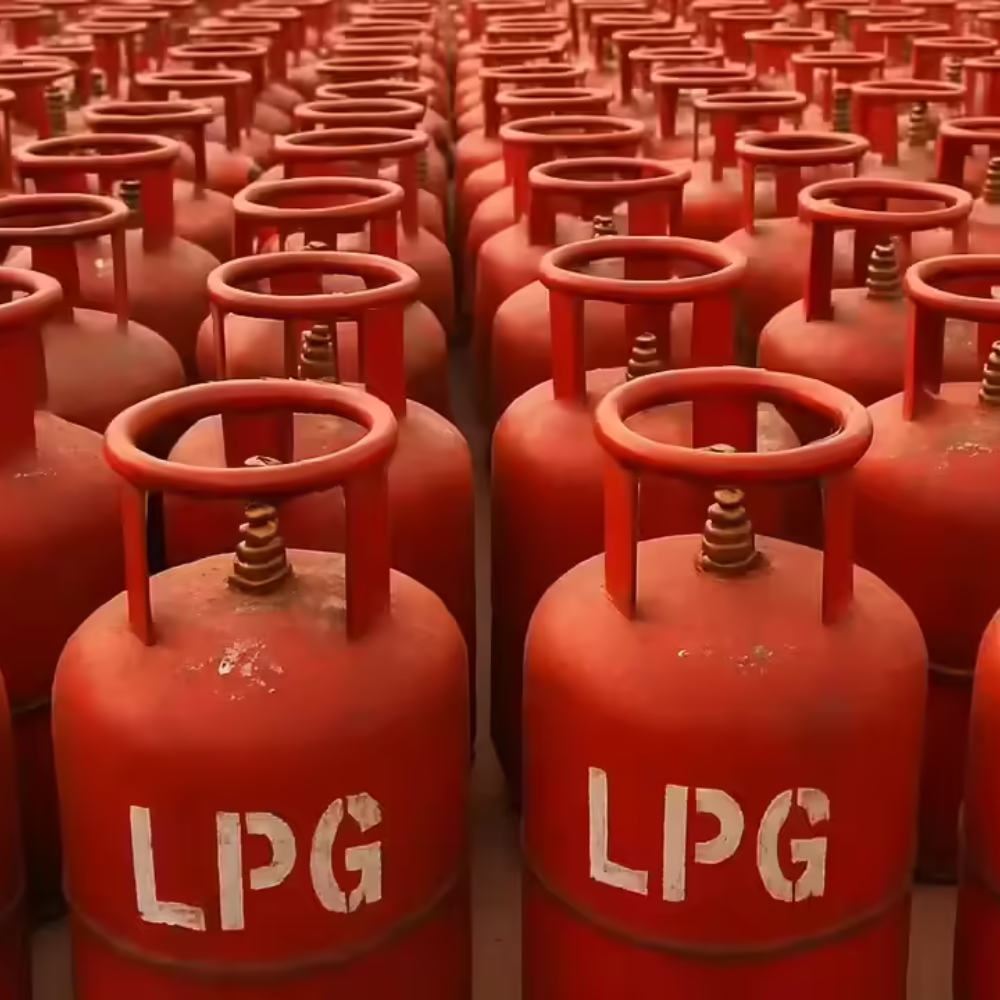
Another major issue for businesses is the cost of commercial LPG. Domestic cylinders are partially subsidized by the government to make them affordable for households. However, commercial LPG cylinders are sold at market prices without subsidies.
This means restaurants and businesses already pay significantly more for their cooking fuel compared to households.
When supply becomes limited, businesses may need to maintain additional stock or arrange cylinders from alternative distributors. This increases operational costs and adds pressure on small businesses.
Logistics and Transportation Challenges
LPG distribution across India involves a complex supply chain that includes refineries, storage terminals, bottling plants, transportation networks, and local distributors.
Cylinders must be transported safely through specialized tanker trucks and delivery vehicles. Any disruption in logistics—such as transportation delays, infrastructure issues, or supply chain bottlenecks—can affect the availability of LPG cylinders in local markets.
Even temporary disruptions at bottling plants or storage terminals can slow down cylinder deliveries to commercial users.
Businesses Exploring Alternative Energy Solutions
Due to occasional LPG supply challenges, some businesses are beginning to explore alternative cooking energy sources. In certain metropolitan cities, larger restaurants have adopted piped natural gas systems where infrastructure is available.
Piped gas provides continuous fuel supply and reduces dependency on LPG cylinders. However, such infrastructure is currently limited to major urban areas.
Some commercial kitchens are also experimenting with induction cooktops, electric ovens, and hybrid cooking systems that combine LPG and electric appliances. Although these alternatives require investment, they may offer long-term stability.
Government Monitoring the LPG Supply Situation
Government agencies and oil companies continuously monitor LPG supply and demand to prevent major disruptions. When supply pressure occurs, measures are often taken to increase refinery output, improve distribution efficiency, or manage logistics more effectively.
India has one of the largest LPG distribution networks in the world, with thousands of distributors and storage facilities spread across the country. These systems usually help stabilize supply within a short period.
Industry experts believe that expanding storage infrastructure and improving logistics can further strengthen India’s LPG supply chain in the future.
Conclusion
The discussion around LPG supply disruptions highlights the growing demand for cooking fuel in India. As millions of households continue to rely on LPG for daily cooking and the food service industry expands rapidly, balancing domestic and commercial demand has become increasingly important.
While prioritizing household LPG supply ensures that families have access to essential cooking fuel, commercial users such as restaurants and food vendors also require reliable fuel availability to run their businesses.
Improving supply chain infrastructure, expanding energy alternatives, and strengthening LPG distribution networks will be key to preventing such disruptions in the future. With better planning and infrastructure development, India can continue to support both household energy needs and the growth of its vibrant hospitality sector.