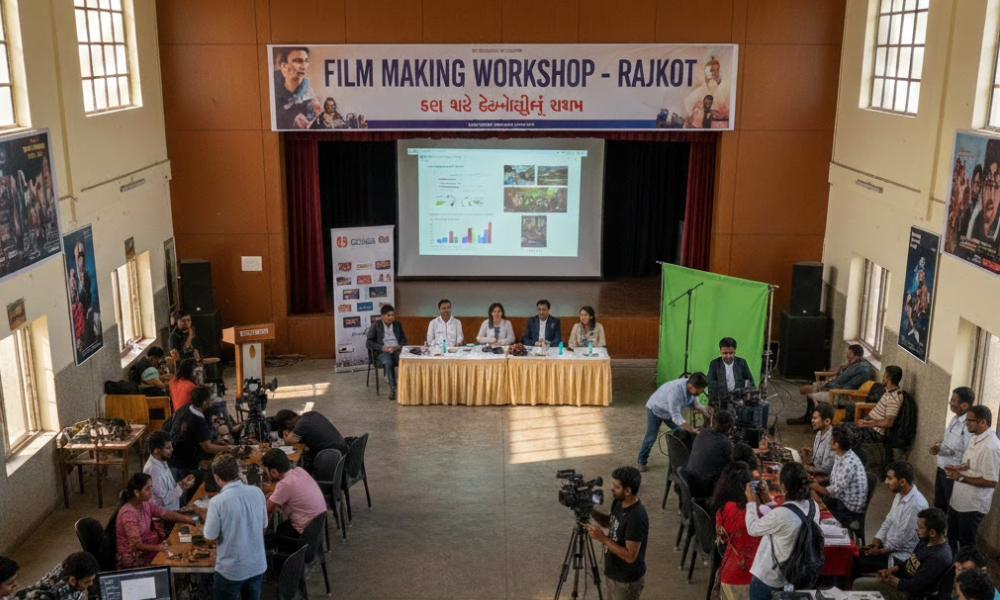
Cinema is not just a form of entertainment; it is a powerful medium that blends art, technology, storytelling, and culture. In recent years, interest in filmmaking has grown rapidly among students, content creators, journalists, and cinema enthusiasts. Keeping this growing passion in mind, a Film Making Workshop in Rajkot with Rare Equipment from the World of Cinema has emerged as a unique and knowledge-driven initiative. This workshop is not only about learning modern filmmaking techniques but also about experiencing the rich legacy of cinema through rare and historic equipment.
Rajkot: Emerging Hub for Creative Learning
Rajkot has always been known for its cultural richness, educational institutions, and creative talent. Over the years, the city has witnessed a steady rise in interest in media studies, journalism, digital content creation, and filmmaking. The organization of a professional film making workshop in Rajkot reflects this transformation and positions the city as a growing hub for creative and media-related education in Saurashtra.
This workshop offers a rare opportunity for aspiring filmmakers to learn, practice, and explore cinema beyond textbooks and online tutorials.
Purpose of the Film Making Workshop
The main objective of the workshop is to provide practical, hands-on training in filmmaking while simultaneously introducing participants to the evolution of cinema technology. Unlike regular workshops that focus only on digital tools, this program bridges the gap between the past and present of filmmaking.
The workshop aims to:
- Build a strong foundation in filmmaking basics
- Provide exposure to real filmmaking equipment
- Explain the journey from analog to digital cinema
- Inspire creativity through cinema history
- Offer career guidance in film and media industries
Learning Film Making from the Ground Up
The workshop is designed in a structured and easy-to-understand format, making it suitable for beginners as well as intermediate learners. Participants are introduced to filmmaking step by step, ensuring clarity in concepts and practical application.
Key learning areas include:
- Basics of Filmmaking
Participants learn what filmmaking truly involves—idea development, scripting, visualization, and execution. The importance of storytelling and narrative structure is explained in detail. - Camera Handling and Cinematography
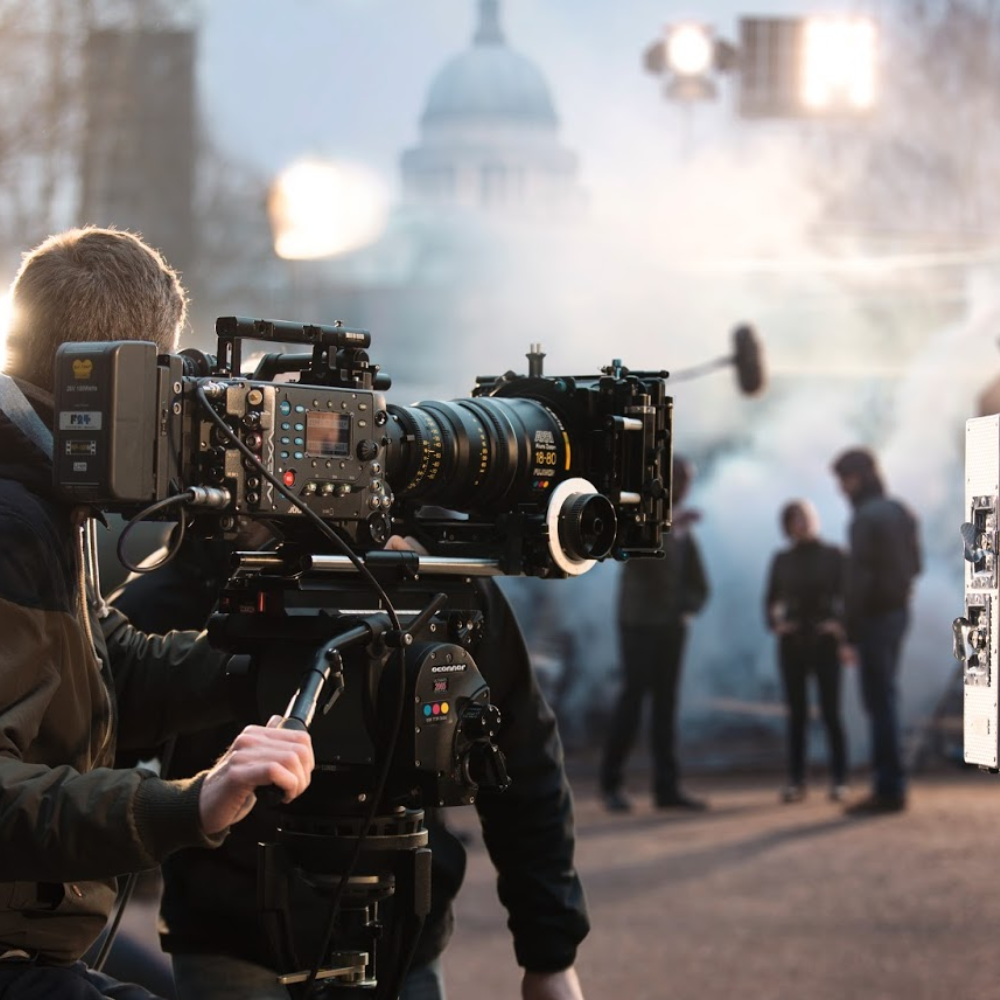
Understanding camera angles, shot composition, lighting, focus, and movement is a crucial part of the workshop. Learners get hands-on experience with different types of cameras. - Sound and Audio Techniques
Good cinema depends heavily on sound quality. The workshop covers microphones, sound recording methods, syncing audio, and the importance of background score and effects. - Direction and Production
Participants gain insight into the role of a director, production planning, teamwork, and on-set discipline. Real-life production challenges and solutions are also discussed. - Editing and Post-Production
The workshop introduces editing concepts, visual continuity, transitions, color correction, and storytelling through post-production.
Rare Cinema Equipment: A Unique Attraction
What truly sets this workshop apart is the exhibition of rare and historical cinema equipment. Participants don’t just hear about the evolution of cinema—they see it up close.
The display includes:
- Vintage film cameras
- Old projectors used in early cinema halls
- Analog sound recording devices
- Film reels and splicing tools
- Traditional lighting equipment
- Rare cinema posters and stills
These tools offer a glimpse into how films were made before the digital era and how much effort, skill, and innovation went into classic cinema.
Understanding the Evolution of Cinema
By observing rare equipment, participants understand how cinema evolved from black-and-white silent films to today’s high-definition digital movies. The workshop explains:
- The transition from film reels to digital formats
- Differences between analog and digital filmmaking
- Challenges faced by filmmakers in earlier times
- How technology changed storytelling techniques
This historical perspective helps learners appreciate modern filmmaking tools while respecting the roots of cinema.
Ideal for Students and Aspiring Filmmakers
The workshop is especially beneficial for:
- Mass communication and journalism students
- Film and media students
- Content creators and YouTubers
- Photography and videography enthusiasts
- Theatre artists and storytellers
- Anyone passionate about cinema
Even those with no prior experience can participate, as the sessions are designed to be beginner-friendly.
Hands-On Training and Interactive Sessions
Unlike theory-based programs, this film making workshop in Rajkot focuses on learning by doing. Participants get opportunities to:
- Handle professional equipment
- Shoot sample scenes
- Work in small teams
- Understand on-set roles and responsibilities
- Ask questions and interact with experts
This interactive approach boosts confidence and practical knowledge.
Career Opportunities in Filmmaking
The workshop also sheds light on career paths in the film and media industry. Participants learn about opportunities such as:
- Film direction and cinematography
- Video editing and post-production
- Sound design and audio engineering
- Scriptwriting and storytelling
- Digital content creation
- Journalism and documentary filmmaking
Guidance is provided on skill development, portfolio creation, and future learning paths.
Cultural and Educational Impact
Such workshops play an important role in nurturing creative talent at the local level. By organizing a professional film making workshop in Rajkot, the initiative contributes to:
- Skill development among youth
- Preservation of cinema history
- Promotion of creative education
- Encouragement of regional storytelling
It also inspires participants to explore socially relevant themes and cultural narratives through film.
Why This Workshop Matters
In an era where content creation is rapidly expanding, understanding filmmaking professionally is more important than ever. This workshop goes beyond trends and tools, offering a holistic learning experience that combines technology, history, creativity, and practice.
The inclusion of rare cinema equipment adds immense educational value, making the workshop not just a training program but a journey through the world of cinema.
Conclusion
The Film Making Workshop in Rajkot with Rare Equipment from the World of Cinema stands as a remarkable initiative for anyone passionate about films and storytelling. By blending practical filmmaking training with exposure to historic cinema tools, the workshop offers a rare and enriching experience.
For aspiring filmmakers, students, and cinema lovers, this workshop is not just an event—it is a step toward understanding cinema in its true form, from its roots to its future.