
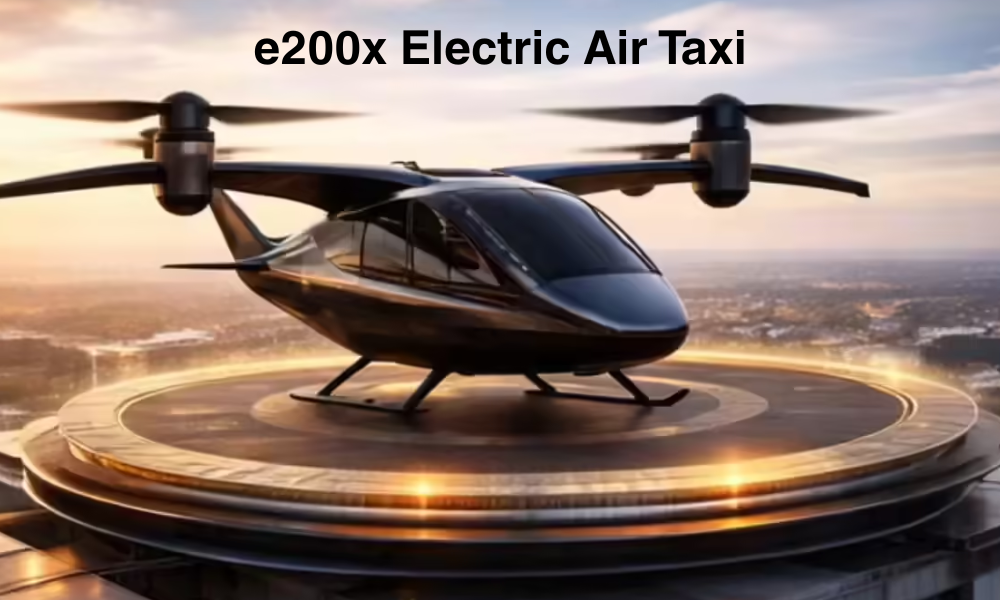
India is standing at the threshold of a major transformation in the way people move through the skies. With rapid urbanization, growing traffic congestion, and increasing environmental concerns, the need for smarter and greener mobility solutions has never been greater. In this context, the launch of the e200x Electric Air Taxi marks a historic milestone for the country. As India’s first electric air taxi, e200x is not just a technological innovation—it represents a bold vision for the future of air travel, urban mobility, and sustainable transportation.
A New Concept in Urban Air Mobility
The idea of air taxis may sound futuristic, but it is quickly becoming a practical solution to real-world problems. Urban Air Mobility (UAM) focuses on using small, advanced aircraft for short-distance travel within and between cities. The e200x electric air taxi is designed specifically for this purpose. Unlike traditional helicopters or small aircraft, it uses electric propulsion, making it quieter, cleaner, and more cost-effective.
In densely populated cities where road infrastructure is under immense pressure, air taxis like e200x offer an alternative mode of transport. They can significantly reduce travel time for short to medium distances, especially for airport transfers, business travel, emergency services, and tourism.
Why the e200x Is a Game Changer
The e200x electric air taxi stands out because it addresses multiple challenges at once—traffic congestion, pollution, and inefficiency in urban transport. One of its biggest advantages is its electric power system. By relying on electric energy instead of conventional aviation fuel, the e200x produces zero direct emissions. This aligns perfectly with India’s long-term goals of reducing carbon emissions and promoting green energy solutions.
Noise pollution is another major issue in urban environments. Traditional helicopters are loud and disruptive, limiting their use in city areas. The e200x, with its advanced electric propulsion system, is significantly quieter, making it suitable for operations in and around cities without disturbing residents.
Designed for Indian Conditions
India’s climate and operating conditions are diverse and often challenging. High temperatures, dust, humidity, and varying weather patterns demand robust and reliable aircraft design. The e200x is being developed with these factors in mind. Extensive testing and validation are planned to ensure that the air taxi can perform efficiently in hot weather, strong winds, and different geographical conditions.
In addition, the aircraft is expected to be optimized for short take-off and landing or vertical take-off and landing capabilities, which are essential for urban operations. This means it can operate from compact helipads or dedicated air taxi terminals without requiring long runways.
Boost to the “Make in India” Vision
The development of the e200x electric air taxi is also significant from an economic and industrial perspective. It supports the “Make in India” initiative by encouraging indigenous innovation, advanced manufacturing, and aerospace development within the country. Building such advanced technology locally helps reduce dependence on imports and strengthens India’s position in the global aviation ecosystem.
This project has the potential to create high-skilled jobs in areas such as aerospace engineering, battery technology, software development, maintenance, and operations. It also opens opportunities for collaboration between startups, research institutions, and manufacturing units, fostering a strong innovation ecosystem.
Applications Beyond Passenger Travel
While passenger transport is the most visible use case for air taxis, the potential applications of the e200x go far beyond that. In emergency medical services, electric air taxis can be used for rapid patient transport, organ delivery, and disaster response. Faster response times can save lives, especially in remote or traffic-congested areas.
The e200x can also play a role in logistics and cargo transport. Small, high-value, or time-sensitive goods such as medical supplies, critical spare parts, or documents can be transported quickly between cities or within metropolitan areas. This could revolutionize last-mile and mid-mile logistics in the coming years.
Safety and Regulatory Preparedness
Safety is a critical aspect of any aviation innovation. The introduction of electric air taxis requires close coordination with aviation regulators to ensure compliance with strict safety standards. Certification, airworthiness approvals, pilot training, and air traffic management integration are all essential steps before commercial operations can begin.
India’s aviation authorities are gradually preparing for this new category of aircraft. The e200x project contributes valuable data and experience that can help shape future policies and regulations for electric and urban air mobility in the country. As regulations evolve, they will pave the way for safe, scalable, and commercially viable air taxi operations.
Infrastructure: The Next Big Challenge
For electric air taxis to become a common sight, supporting infrastructure is crucial. This includes charging stations, maintenance facilities, dedicated vertiports or helipads, and integration with existing transport networks. Cities will need to plan carefully to incorporate this new mode of transport without disrupting current systems.
The e200x initiative highlights the importance of forward-thinking urban planning. By combining air taxis with metro systems, buses, and electric vehicles, cities can create a seamless, multimodal transport network that is fast, efficient, and environmentally friendly.
Environmental Impact and Sustainability
One of the strongest arguments in favor of electric air taxis is sustainability. Aviation is often criticized for its environmental impact, but electric aircraft like the e200x offer a cleaner alternative for short-distance travel. When powered by renewable energy sources, the overall carbon footprint can be drastically reduced.
In a country like India, where air pollution is a major public health concern, adopting cleaner aviation technologies sends a powerful message. It shows that economic growth and environmental responsibility can go hand in hand.
Shaping the Future of Air Travel in India
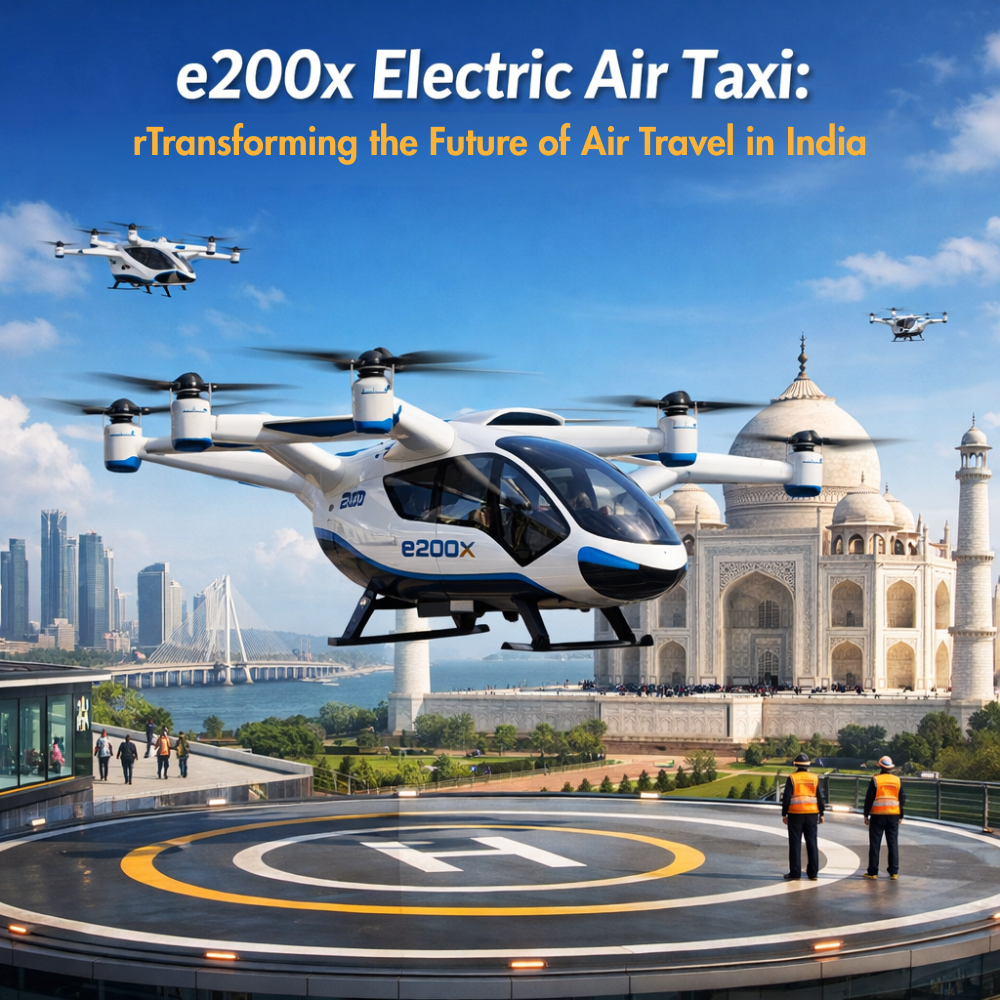
The e200x electric air taxi is more than just a new aircraft—it is a symbol of India’s readiness to embrace future mobility solutions. As technology matures, costs decrease, and infrastructure develops, air taxis could become a regular part of urban life. What seems innovative today could become routine tomorrow.
By investing early in electric air mobility, India positions itself as a leader rather than a follower in the global aviation transition. The lessons learned from the e200x project will influence future designs, policies, and business models, shaping the next generation of air travel.
Conclusion
The launch of the e200x Electric Air Taxi marks a transformative moment in India’s aviation journey. It combines innovation, sustainability, and practicality to address some of the most pressing mobility challenges of our time. From reducing travel time and emissions to boosting domestic manufacturing and technological capability, the impact of e200x is far-reaching.
As India continues to grow and modernize, solutions like the e200x will play a vital role in building smarter, greener, and more connected cities. The future of air travel in India is no longer just about flying higher—it is about flying smarter, cleaner, and closer to the people.