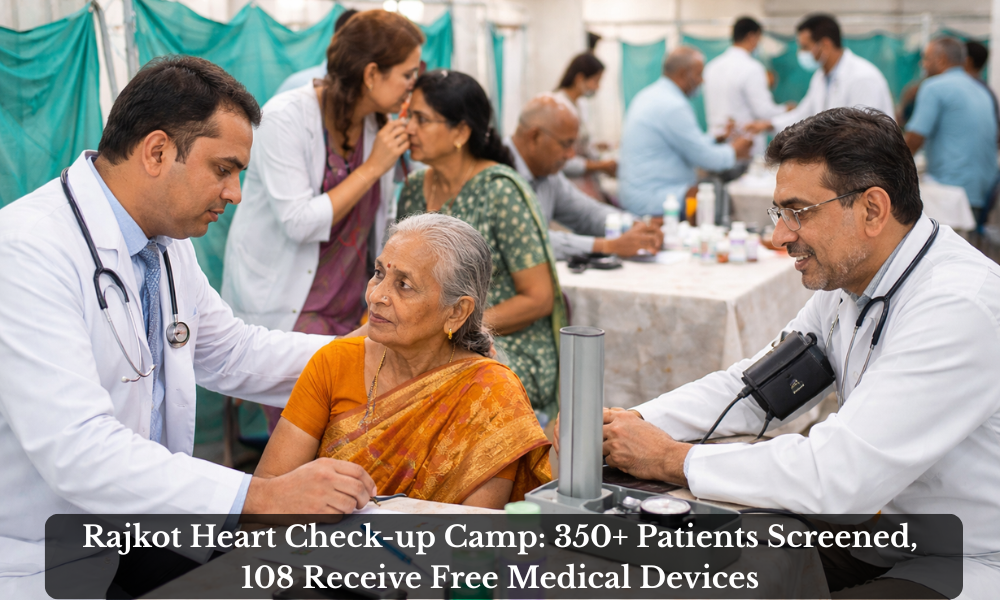
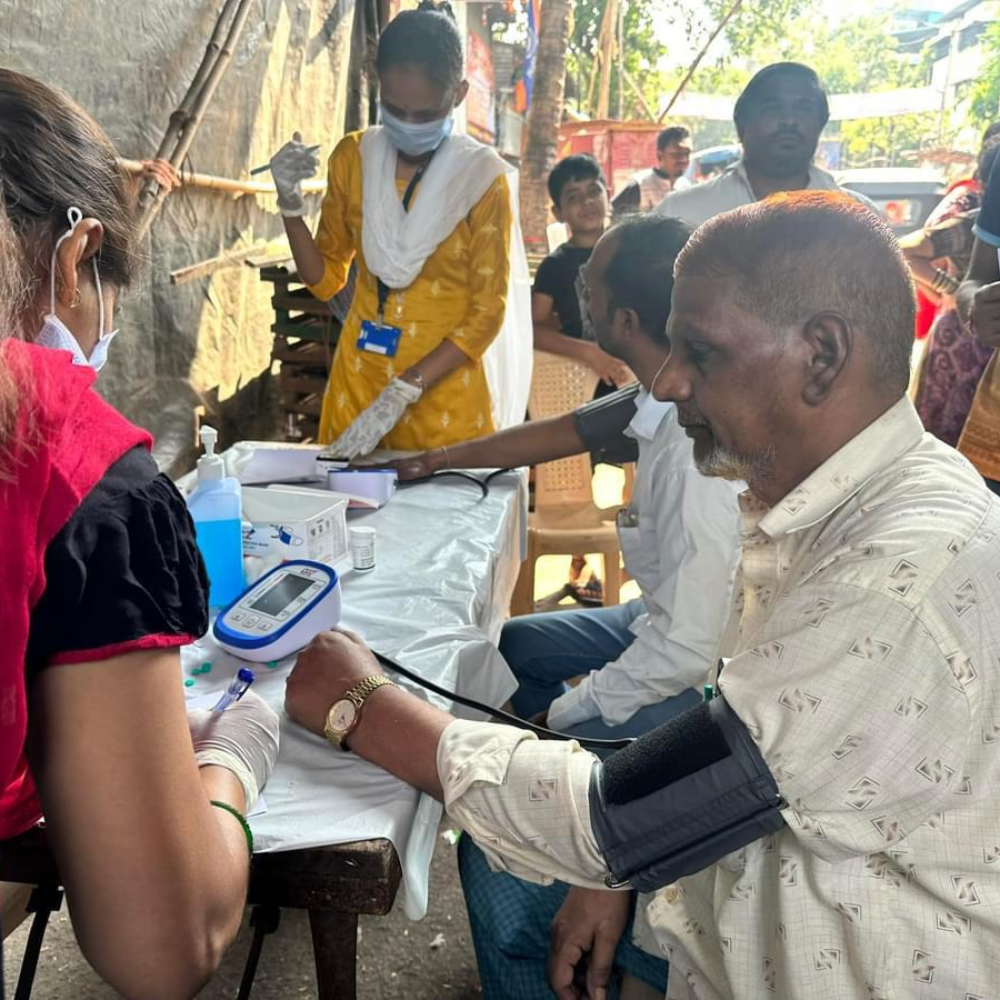
In a significant step toward improving public health awareness and accessibility, a large-scale heart check-up camp was successfully organized in Rajkot, benefiting more than 350 patients. The initiative not only focused on early diagnosis of heart-related conditions but also extended critical support by distributing free medical devices to 108 patients in need. The camp reflects a growing commitment to preventive healthcare and community welfare.
Overview of the Health Camp
The heart check-up camp was conducted as part of a social service initiative aimed at addressing the rising cases of cardiovascular diseases. With lifestyle-related health issues on the rise, such camps play a vital role in early detection and timely intervention.
- Over 350 patients attended the camp for screening and consultation
- 108 patients received free medical devices and assistance
- Services were offered at highly subsidized rates, ensuring affordability
- The camp included expert doctors, cardiologists, and healthcare volunteers
The initiative was organized to mark a commemorative occasion, reinforcing the values of service and community care.
Key Services Offered
The camp provided a wide range of diagnostic and consultation services, making it a comprehensive health check-up initiative.
- Free Heart Screening
- Patients underwent preliminary heart check-ups, including blood pressure monitoring and ECG tests
- Early signs of heart disease were identified in several cases
- Specialist Consultations
- Experienced cardiologists and physicians offered personalized consultations
- Patients received guidance on managing heart conditions and lifestyle changes
- Affordable Treatment
- Consultations and treatments were offered at nominal fees (as low as ₹10 in some cases)
- Medicines and follow-up advice were also provided
- Distribution of Medical Devices
- 108 patients were provided with essential medical devices such as monitoring tools and support equipment
- These devices are expected to assist patients in managing their conditions effectively at home
Importance of Early Diagnosis
One of the key objectives of the camp was to promote early detection of heart diseases. Cardiovascular conditions often go unnoticed until they become severe, making regular check-ups crucial.
Benefits of early diagnosis include:
- Prevention of serious complications such as heart attacks
- Timely medical intervention and lifestyle modification
- Reduced long-term healthcare costs
- Improved quality of life for patients
Many attendees were diagnosed with conditions like hypertension, irregular heart rhythms, and other risk factors that require ongoing monitoring.
Support for Underprivileged Patients
A major highlight of the initiative was its focus on accessibility and inclusivity. The camp ensured that even economically weaker sections of society could benefit from quality healthcare.
- Free or low-cost services made healthcare accessible to all
- Distribution of medical devices reduced financial burden on patients
- Special attention was given to elderly patients and those with chronic conditions
This approach underscores the importance of bridging the gap between healthcare services and underserved communities.
Role of Organizers and Volunteers
The success of the camp was made possible through the collective efforts of organizers, healthcare professionals, and volunteers.
- Medical experts ensured accurate diagnosis and guidance
- Volunteers assisted with patient registration, coordination, and support
- Organizers managed logistics, equipment, and outreach
Their combined efforts created a smooth and efficient experience for all attendees.
Raising Awareness About Heart Health
Beyond diagnosis and treatment, the camp also emphasized the importance of awareness and education.
Patients were educated about:
- Healthy eating habits and balanced diets
- Importance of regular exercise and physical activity
- Managing stress and avoiding harmful habits such as smoking
- Regular monitoring of blood pressure and cholesterol levels
Such awareness initiatives are essential in preventing lifestyle-related diseases.
Impact on the Community
The camp had a positive and lasting impact on the local community in Rajkot.
- Increased awareness about heart health and preventive care
- Early detection of health issues in hundreds of individuals
- Strengthened trust in community healthcare initiatives
- Encouraged more people to prioritize regular health check-ups
For many patients, this camp served as their first comprehensive health screening, highlighting its significance.
Challenges and Future Scope
While the camp was highly successful, it also highlighted the need for more such initiatives.
Challenges identified:
- Limited awareness among certain sections of society
- Need for regular follow-up care for diagnosed patients
- Increasing demand for affordable healthcare services
Future opportunities:
- Organizing similar camps on a larger scale
- Expanding services to include other health specialties
- Strengthening partnerships with healthcare institutions
- Introducing digital health tracking and follow-up systems
Conclusion
The Rajkot Heart Check-up Camp stands as a commendable example of how community-driven healthcare initiatives can make a meaningful difference. By screening over 350 patients and providing essential medical devices to 108 individuals, the camp not only addressed immediate health concerns but also laid the foundation for long-term well-being.
Such initiatives highlight the importance of preventive healthcare, early diagnosis, and accessible medical services. As heart-related diseases continue to rise, efforts like these serve as a reminder that collective action and community support can lead to healthier and stronger societies.