





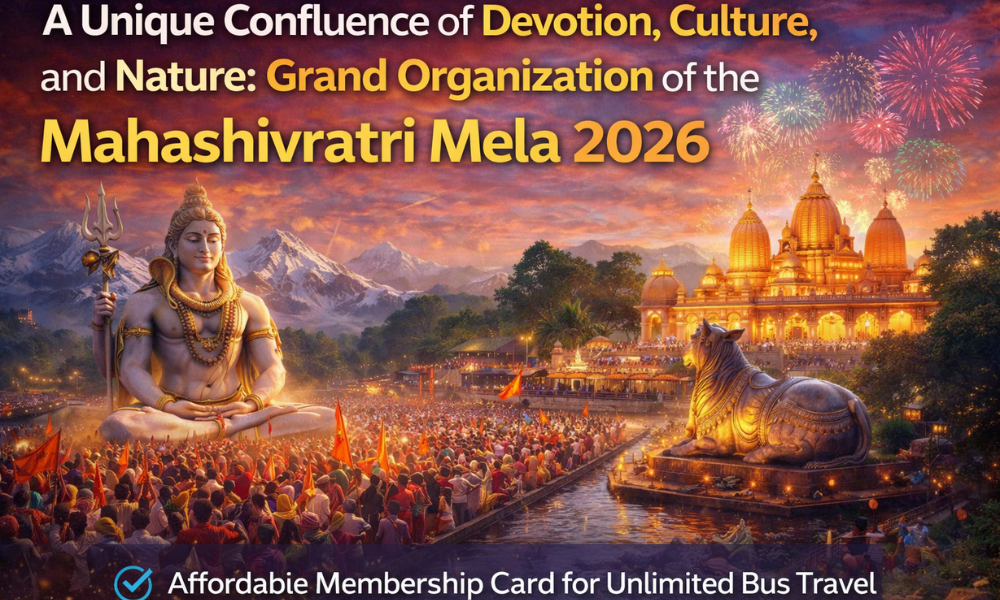
The Mahashivratri Mela 2026 promises to be a magnificent celebration that brings together devotion, cultural heritage, and the beauty of nature in a truly unique way. Organized with great enthusiasm and meticulous planning, the mela stands as a symbol of spiritual unity and cultural pride, attracting devotees and visitors from across the country and beyond. Rooted deeply in tradition, the Mahashivratri Mela continues to evolve as a grand platform where faith meets art, music, and the natural landscape.
Spiritual Significance of Mahashivratri
Mahashivratri, one of the most sacred festivals dedicated to Lord Shiva, holds immense spiritual importance for devotees. Observed with fasting, night-long prayers, and meditation, the festival represents inner awakening, discipline, and devotion. The mela organized around Mahashivratri enhances this spiritual experience by creating a collective space where thousands of devotees come together to express their faith.
Pilgrims traditionally visit revered Shiva temples during this period, offering prayers and participating in religious rituals. The Mahashivratri Mela 2026 aims to preserve this sacred essence while presenting it in a well-organized and inclusive format.
A Celebration Rooted in Cultural Heritage
Beyond its religious importance, the Mahashivratri Mela is a vibrant reflection of India’s rich cultural heritage. Folk traditions, devotional music, classical dance performances, and spiritual discourses form an integral part of the celebrations. Artists from different regions showcase their talents, transforming the mela into a cultural festival that appeals to people of all ages.
In 2026, special emphasis has been placed on promoting regional art forms and traditional performances. Cultural programs will highlight local folk dances, bhajans, and instrumental music, offering visitors a deep connection with India’s diverse artistic traditions.
Nature as a Sacred Backdrop
One of the most striking aspects of the Mahashivratri Mela is its natural setting. Nestled amid scenic landscapes, the mela site offers a serene and spiritually uplifting environment. Hills, temples, and open spaces combine to create an atmosphere that enhances the sense of devotion and tranquility.
Organizers have taken care to maintain harmony with nature, ensuring that the mela respects environmental balance. Green initiatives, cleanliness drives, and waste management systems are integral parts of the planning, reinforcing the idea that devotion and environmental responsibility can coexist.
Grand Preparations for Mahashivratri Mela 2026
The organization of the Mahashivratri Mela 2026 reflects months of preparation and coordination among various departments. Authorities have focused on infrastructure development, crowd management, and safety measures to ensure a smooth experience for visitors.
Temporary facilities such as pathways, lighting arrangements, drinking water stations, medical camps, and sanitation units are being set up to accommodate large crowds. Special attention has been given to accessibility, ensuring that elderly devotees and people with disabilities can participate comfortably.
Safety, Security, and Crowd Management
With the expectation of large gatherings, safety remains a top priority. Comprehensive security arrangements, including surveillance systems and trained personnel, are being deployed throughout the mela area. Crowd control measures are designed to ensure smooth movement and prevent congestion, particularly near temple premises and ritual areas.
Medical teams and emergency response units will remain on standby to handle any health-related situations. These arrangements aim to provide peace of mind to visitors, allowing them to focus on spiritual participation.
Boost to Local Economy and Tourism
The Mahashivratri Mela is not only a spiritual and cultural event but also a significant economic driver. Local vendors, artisans, and small businesses benefit from increased footfall. Stalls selling traditional food, handicrafts, religious items, and souvenirs add color and vibrancy to the mela while supporting livelihoods.
Tourism receives a substantial boost during the mela period, with visitors exploring nearby heritage sites, temples, and natural attractions. The event plays a key role in promoting cultural tourism and showcasing the region’s identity on a larger platform.
Participation of Youth and Volunteers
Youth participation is a defining feature of the Mahashivratri Mela 2026. Volunteers play an essential role in guiding pilgrims, maintaining cleanliness, and assisting in various logistical activities. Their involvement reflects a sense of social responsibility and pride in preserving cultural traditions.
Training programs and awareness sessions are being conducted to prepare volunteers for effective engagement. Their contribution adds a human touch to the grand organization of the mela.
Blending Tradition with Modern Management
While deeply rooted in tradition, the Mahashivratri Mela 2026 also embraces modern management practices. Digital information boards, online updates, and organized communication channels help visitors stay informed about schedules and facilities.
Technology-driven solutions enhance efficiency without compromising the spiritual essence of the event. This balance between tradition and modernity ensures that the mela remains relevant to contemporary audiences while honoring its sacred origins.
A Message of Unity and Harmony
At its core, the Mahashivratri Mela conveys a powerful message of unity. People from diverse backgrounds, regions, and age groups come together in devotion, transcending social and cultural differences. The mela fosters a sense of collective spirituality and shared cultural identity.
In a rapidly changing world, such gatherings remind society of the enduring values of faith, respect for nature, and cultural continuity.
Conclusion
The Mahashivratri Mela 2026 stands as a remarkable example of how devotion, culture, and nature can come together in harmonious celebration. Through careful planning, cultural richness, and environmental consciousness, the mela offers an experience that goes beyond ritual, touching the hearts and minds of all who attend.
As devotees gather to celebrate Mahashivratri in 2026, the mela promises not only spiritual fulfillment but also a deeper appreciation of heritage and harmony with nature. It is truly a grand confluence one that reflects the timeless spirit of faith and the living traditions of Indian culture.