





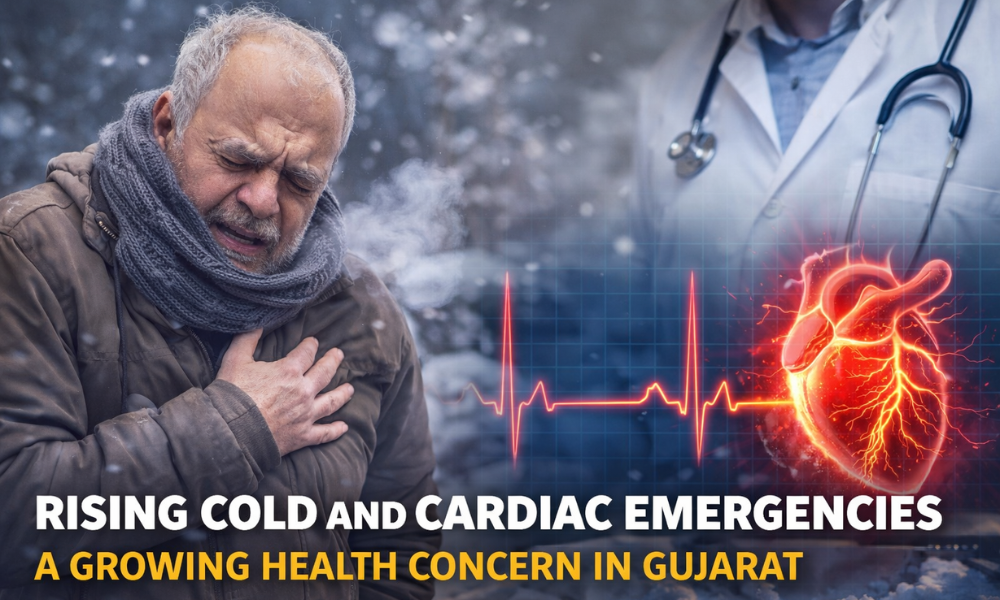
Winter is traditionally seen as a season of comfort and relief in many parts of India, especially in states like Gujarat where extreme cold is uncommon. However, recent data highlighted in the newspaper article paints a far more alarming picture. Gujarat has witnessed a sharp rise in heart attack cases during January, particularly during periods of intense cold. The report suggests that falling temperatures are having a direct and serious impact on heart health, making cold weather an emerging public health concern in the state.
According to the article, January has recorded the highest number of cardiac emergency cases in Gujarat compared to other months. Hospitals across major cities and districts have reported a noticeable surge in patients suffering from heart attacks, chest pain, and other cardiovascular complications. Medical experts attribute this rise largely to the effect of cold weather on the human body, especially among the elderly and those with pre-existing heart conditions.
Cold temperatures cause blood vessels to constrict, a natural response by the body to preserve heat. This narrowing of blood vessels increases blood pressure and forces the heart to work harder to pump blood. For individuals with weak hearts, blocked arteries, diabetes, high cholesterol, or hypertension, this additional strain can prove dangerous and may trigger heart attacks. Doctors quoted in the article emphasize that sudden drops in temperature are particularly risky, as the body does not get enough time to adapt.
The data presented in the report shows that January 2025 recorded significantly more heart attack cases than the same period last year. Compared to January 2024, there has been a double-digit percentage increase in cardiac emergencies. In some districts, January alone accounted for the highest number of cases across all 12 months. December and February also show elevated numbers, but January clearly stands out as the most critical month.
Another key observation from the article is the timing of heart attacks. Doctors have noted that a large number of cardiac incidents occur in the early morning hours. During this time, body temperature is at its lowest, blood pressure tends to spike, and the heart is more vulnerable. Cold mornings combined with physical activity—such as morning walks, bathing with cold water, or sudden exertion—can significantly increase the risk of a cardiac event.
Lifestyle factors are also playing a major role. In winter, people tend to exercise less, consume heavier and oil-rich foods, and gain weight. Reduced physical activity and unhealthy eating habits further increase cholesterol levels and blood pressure. The article points out that many heart attack patients admitted during January had ignored early warning signs such as chest discomfort, shortness of breath, fatigue, or pain in the arms and jaw. Delayed medical attention often worsened their condition.
Doctors across Gujarat are urging citizens to take winter-specific precautions to protect heart health. Simple measures such as wearing warm clothing, avoiding exposure to early morning cold, and maintaining regular physical activity indoors can make a significant difference. Medical professionals also recommend avoiding sudden temperature changes, such as bathing with very cold water or stepping out into cold air immediately after waking up.
The article also highlights that stress levels tend to rise during winter due to reduced sunlight and seasonal lifestyle changes. Stress is a known contributor to heart disease, as it raises cortisol levels and blood pressure. Combined with cold-induced strain on the cardiovascular system, stress further increases the risk of heart attacks. Mental well-being, therefore, is an often-overlooked but crucial factor in winter heart health.
Another concerning aspect discussed in the report is the lack of awareness among the general population. Many people in Gujarat do not perceive winter as a health risk, especially compared to heatwaves or monsoon-related diseases. This mindset leads to negligence, particularly among middle-aged individuals who assume heart problems affect only the elderly. The increasing number of cases among people in their 40s and 50s challenges this assumption and calls for a shift in public perception.
Hospitals and emergency services have also felt the pressure of this seasonal surge. Cardiac units reported higher occupancy rates in January, and emergency response systems were stretched due to the sudden rise in cases. Doctors stress that early diagnosis and quick medical intervention can save lives, but this requires people to recognize symptoms and seek help without delay.
Public health experts suggest that the government and healthcare authorities should launch winter-specific awareness campaigns. Just as heatwave alerts are issued during summer, cold-weather health advisories could help prevent avoidable deaths. Regular health check-ups, especially for high-risk individuals, should be strongly encouraged during winter months.
In conclusion, the rise in heart attack cases in Gujarat during January serves as a serious warning. Cold weather, often underestimated in the region, is proving to be a silent trigger for cardiac emergencies. The article underscores the urgent need for awareness, lifestyle adjustments, and preventive healthcare measures. Winter may be mild in Gujarat compared to northern India, but its impact on heart health is real and dangerous. Recognizing this risk and taking timely precautions can save countless lives and reduce the growing burden of heart disease in the state.